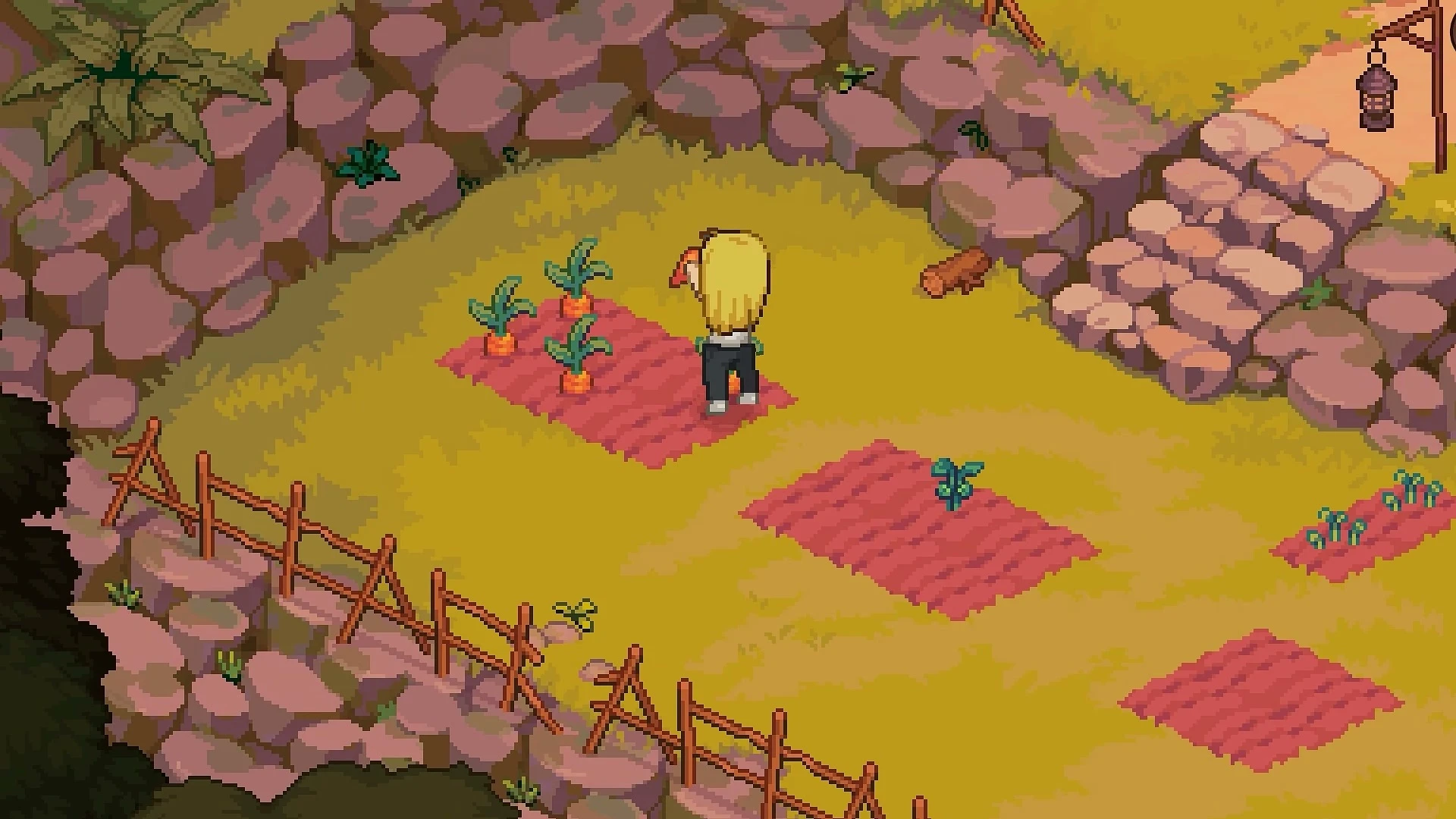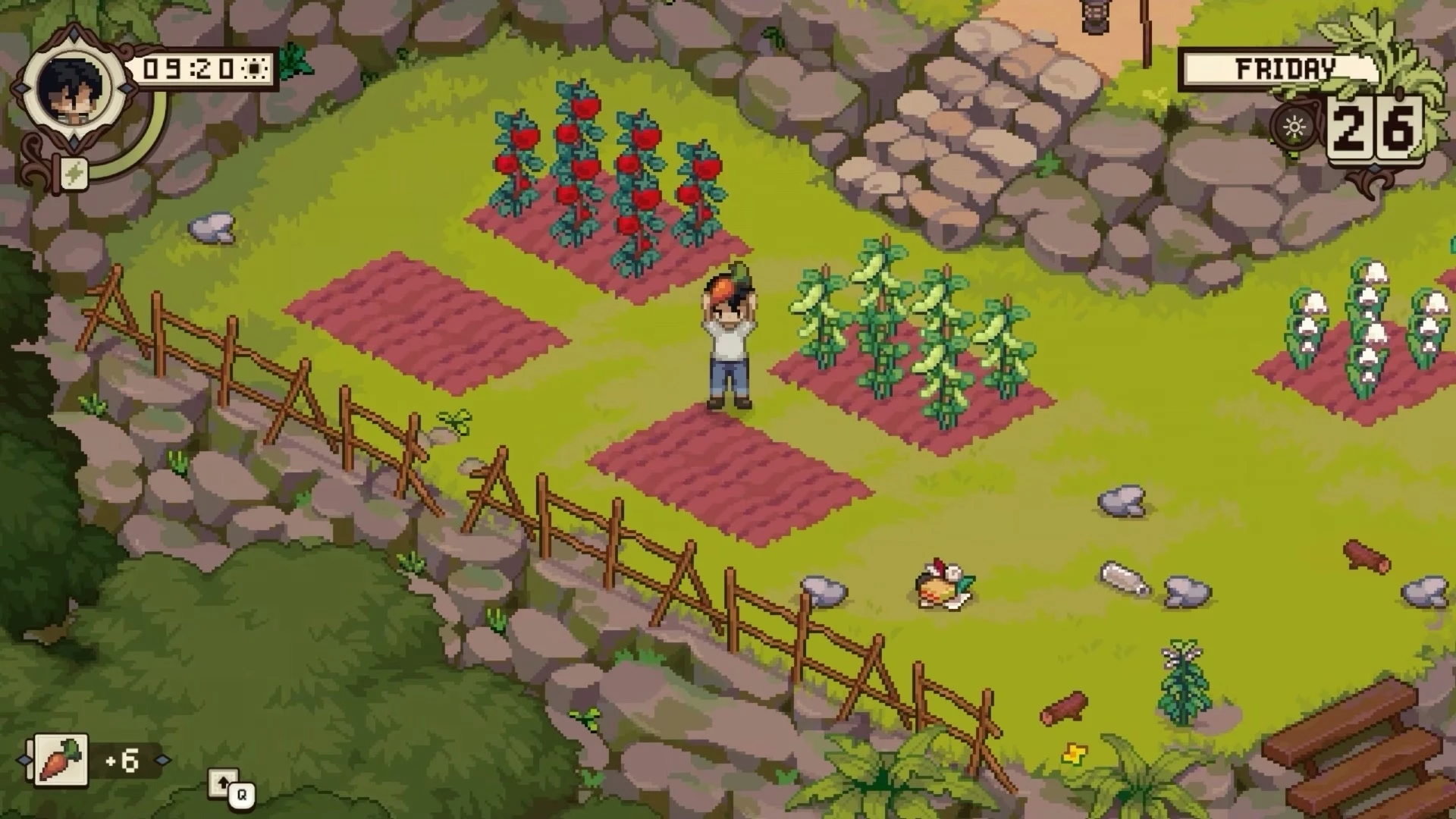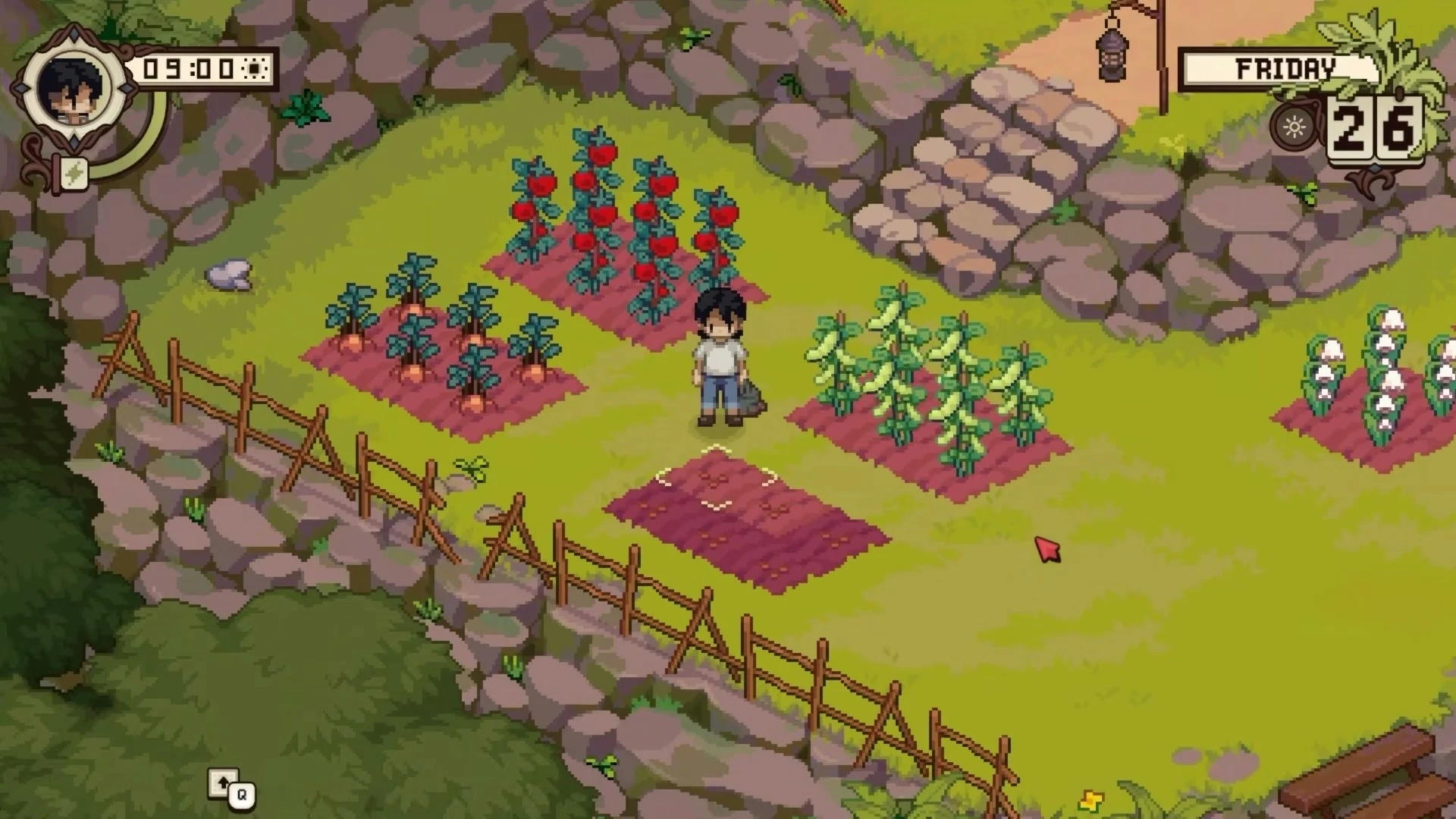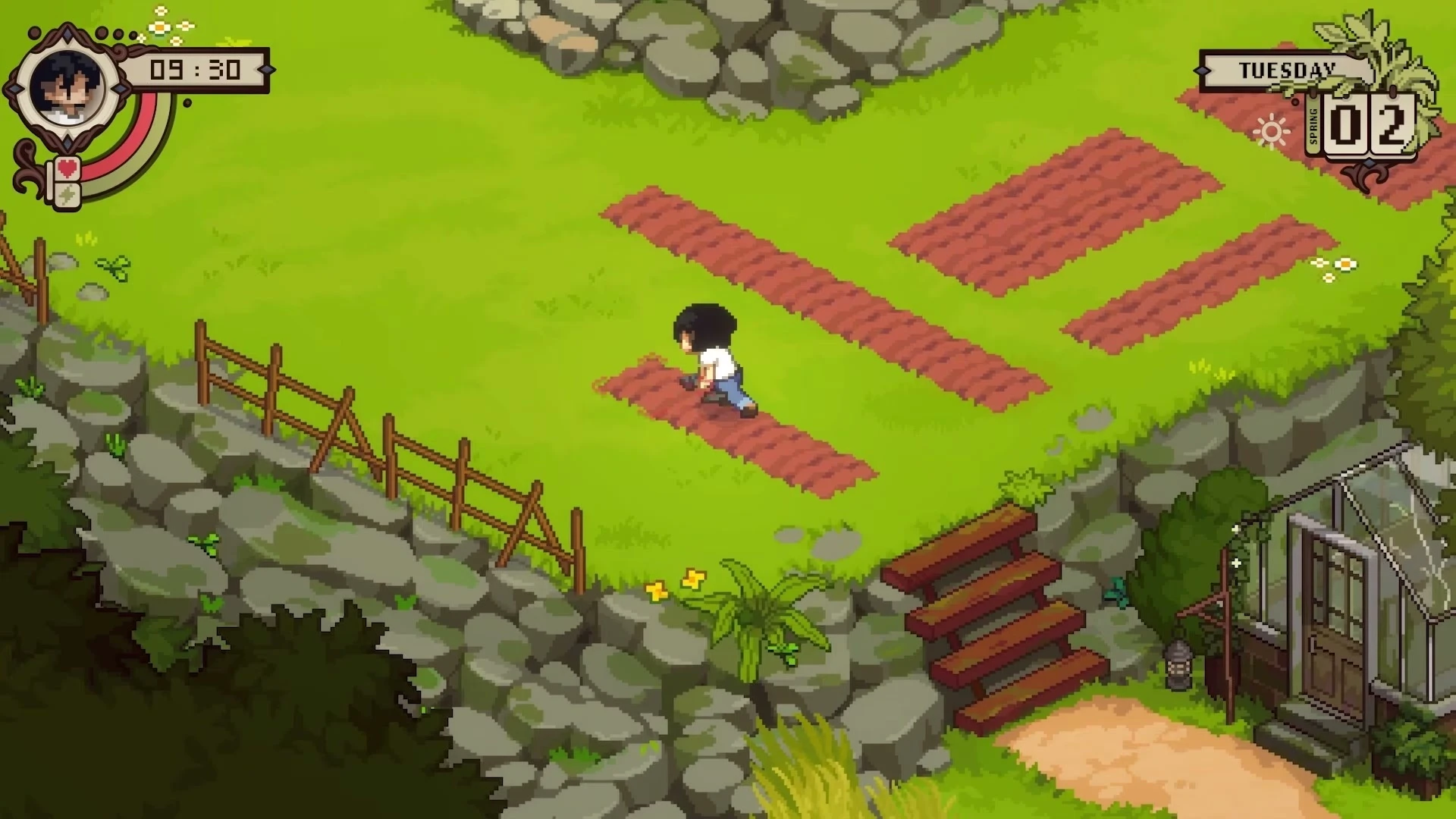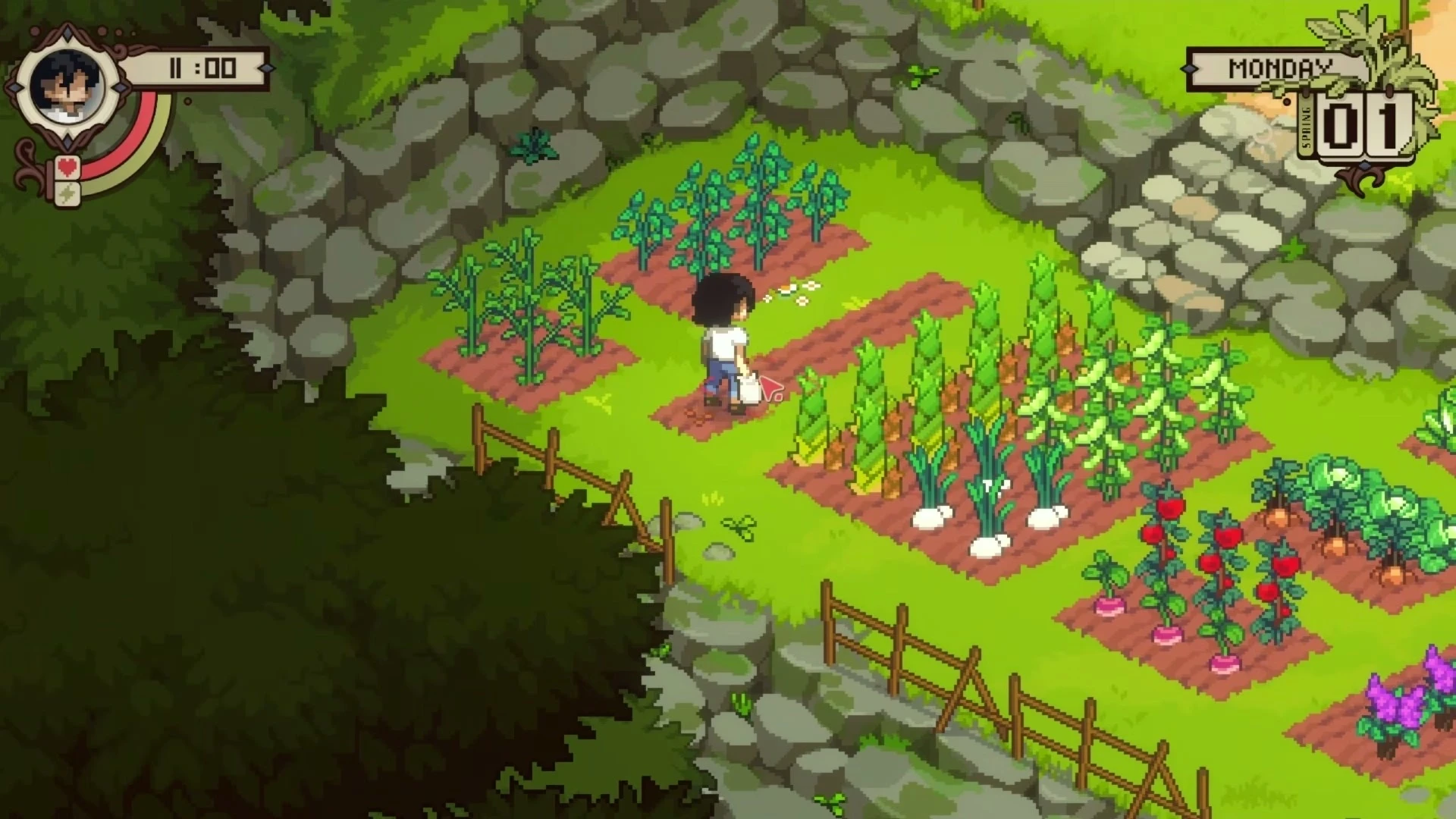
Understanding Grave Seasons farming plot types is critical for managing your agricultural routine in Ashenridge. Your mountaintop agricultural space features three specific plot types: Arid, Regular, and Wet. Each soil zone has unique moisture rules and strict crop compatibility that determine how your plants develop. Because mountain terrain limits available acreage, farming plots do not expand in size. Selecting the right crops for each plot environment allows you to maximize harvests throughout the year.
Three Distinct Farming Plot Types
Farming in Grave Seasons divides your land into three distinct soil classifications. Arid plots represent dry, elevated ground situated at the top of your farm. Only certain crops capable of withstanding dry conditions can grow up in arid soil. Regular soil provides the standard growing space located near your farmhouse. This regular ground offers the maximum area to cultivate common crop varieties. Wet farm plots are carved into the riverbank and host unique crops that thrive in aquatic conditions. As an added bonus, wet plots never require manual watering from your watering can.
| Plot Type | Location | Watering Need | Soil Characteristics |
|---|---|---|---|
| Arid | High elevation at top of farm | Manual watering required | Dry elevated ground for specialized hardy crops |
| Regular | Adjacent to main farmhouse | Manual watering required | Maximum area accommodating standard seasonal crops |
| Wet | Down along the riverbank | Zero watering needed | Moisture-rich ground where aquatic plants thrive |
Seed Varieties and Daniela’s Shop
Over 45 seed types exist across the four seasons of the game. Spring, Summer, Autumn, and Winter each introduce distinct trials and tribulations. Players can visit the local seed store to purchase new inventory for upcoming cycles. At the store, you meet Daniela, who carries seeds and agricultural supplies. Some seeds grow exclusively during one specific season, while other hardier varieties span multiple periods. Additional wild seeds can be gathered through foraging across Ashenridge. All seeds carry unique qualities detailing their seasonality and required plot type on their tooltips.
Regular Plots Near the Farmhouse
Regular plots serve as the core backbone of your early farming operations. Situated directly beside the farmhouse, these plots allow swift access during your morning chores. Common vegetable crops flourish in this standard soil when watered consistently. Because your farm sits high on a mountain, available acreage remains strictly controlled. Planning crop rotations across regular soil ensures steady supplies for cooking and community gifts.
Wet River Plots with Zero Watering
Wet plots offer a distinct advantage for busy farmers investigating town mysteries. By digging directly into the riverbank, you create specialized muddy plots. These aquatic beds clear the way for thirstier plants that require continuous hydration. Because river water constantly replenishes the soil, you never have to spend stamina watering them. This self-watering property saves valuable daily energy for mining expeditions and social conversations.
Starter Tools and Land Preparation
Moving into Ashenridge grants you an essential set of starting equipment. You carry a shovel, a pickaxe, an axe, a watering can, and a crowbar from your first day. The majority of these tools directly support your daily farming tasks. You use your shovel to dig up the land, select seeds from quick inventory, and plant them. Next, equip your watering can to hydrate the newly seeded plot. Your pickaxe breaks rocks for mining, while your axe clears trees around the homestead. Each tool has the potential to become greater through upgrades as your experience grows.
Isometric Grid and Tile Interactions
Grave Seasons displays farming actions across a flat 2D plane using isometric perspective. To assist precision without locking the world into a rigid grid, an interactive visual UI appears on farm plots. This visible grid highlights available tiles near the player based on current positioning. Grid cells display as white when an action is valid or red when an action is blocked. Invalid feedback occurs if you lack energy, hold the incorrect tool, or attempt planting in the wrong plot type. When foraging or farming, the system assesses the three tiles directly in front of the player. This responsive targeting guarantees smooth tool handling across all mountain soil zones.